Pricing your Cheshire home right is not about guessing or chasing townwide averages. You want top dollar without sitting on the market or making painful price cuts later. In this guide, you’ll learn a simple, data-backed plan that uses micro-market comps, demand metrics, standout presentation, and a short pre-market ramp to validate and refine your price. Let’s dive in.
Price with micro-market comps
Town averages can hide big differences from one street to the next. Buyers usually compare homes inside a very tight radius with the same school zone, similar lot size, and similar age and layout. That is why you want a micro-market comp set that mirrors your home as closely as possible.
Build your comp set this way:
- Define the boundary: same neighborhood and school zone, often within 0.25 to 0.5 miles.
- Match key attributes: property type, bed/bath count, finished square footage, lot size, year built, and major updates. Note garages, basements, HVAC, and any amenities like a pool.
- Prioritize recency: start with sales from the past 3 to 6 months. If thin, expand to 6 to 12 months and note the adjustments.
- Use multiple data points: recent solds carry the most weight, then pendings, then similar actives. Review expired and withdrawn listings to spot overpricing.
- Treat price per square foot as directional, then adjust for layout, condition, and lot.
Aim for 5 to 7 strong comps. If the immediate area has low turnover, expand the radius carefully and explain your adjustments.
Hypothetical Cheshire example
Subject: 2,200 sq ft, 4 bed, 2.5 bath, renovated kitchen, 0.5-acre lot.
- Comp A, sold 2 months ago: 2,150 sq ft, sold $525,000 → $244/sq ft
- Comp B, sold 4 months ago: 2,300 sq ft, sold $540,000 → $235/sq ft (older kitchen)
- Comp C, active: 2,050 sq ft, asking $535,000 → $261/sq ft (updated baths)
Weighted indication: $235 to $250 per sq ft → suggested list range $517,000 to $550,000. The final list price should reflect the subject’s condition, lot, and current months of inventory.
Measure demand with absorption and inventory
Pricing power depends on how fast similar homes are selling. Two simple metrics help you read the market:
- Absorption rate = homes sold in the last 30 days divided by active listings.
- Months of inventory (MOI) = active listings divided by average monthly sales.
How to read MOI:
- Under 3 months: strong seller’s market.
- 3 to 6 months: balanced market.
- Over 6 months: buyer’s market.
Hypothetical demand snapshots
- Strong demand: 10 actives and 5 sold in 30 days → absorption 50% monthly and MOI 2 months. Sellers often price competitively and can spark multiple offers.
- Weak demand: 10 actives and 1 sold in 30 days → absorption 10% and MOI 10 months. Price at or below market expectations or consider incentives.
Pull these metrics for your micro-market and compare them with town level numbers while you prepare to list. Refresh weekly until launch.
Align price to market strength
Use your comps and MOI to set a pricing posture that fits current conditions:
- Strong demand: consider pricing slightly below perceived market value to create competition and attract multiple offers.
- Balanced market: price within 1 to 3 percent of comparable solds and lean on presentation to stand out.
- Weak demand: price at or just below expectations and consider incentives like closing cost credits or rate buy-downs.
Win with presentation
Buyers decide quickly from online photos and the first minutes inside the home. Strong presentation helps you command your target price and shorten time on market.
High-impact steps:
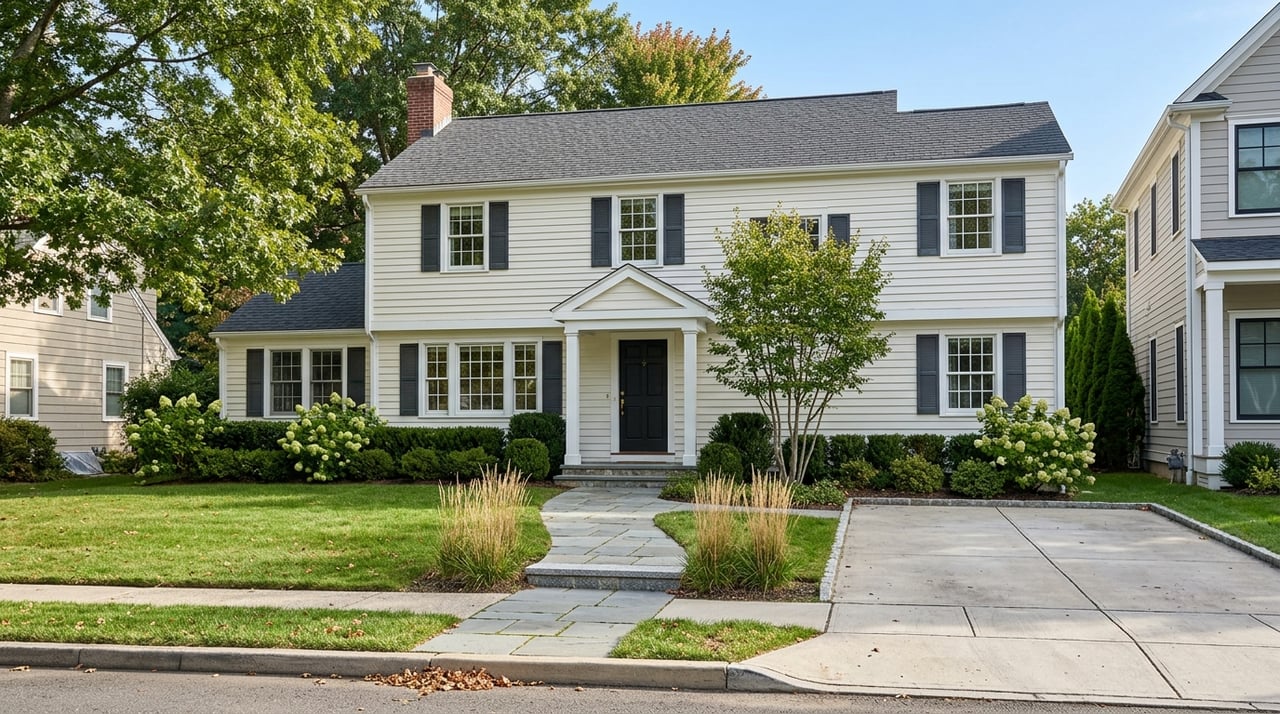
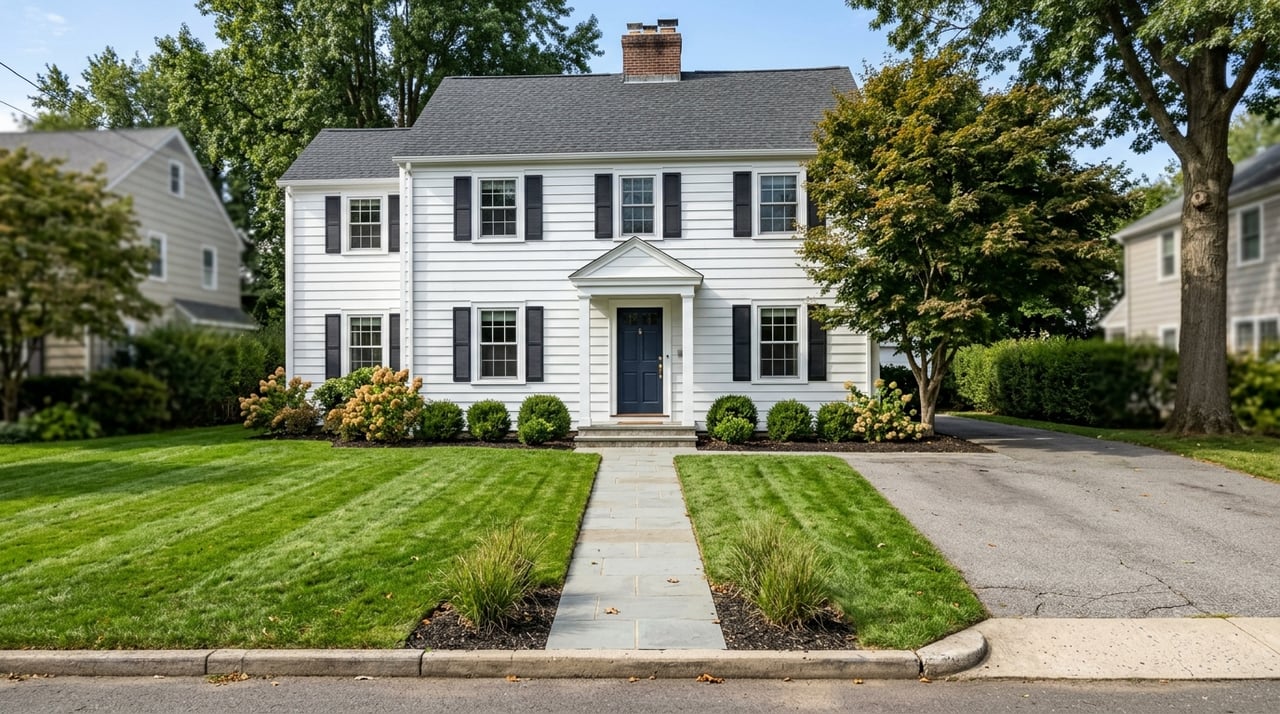
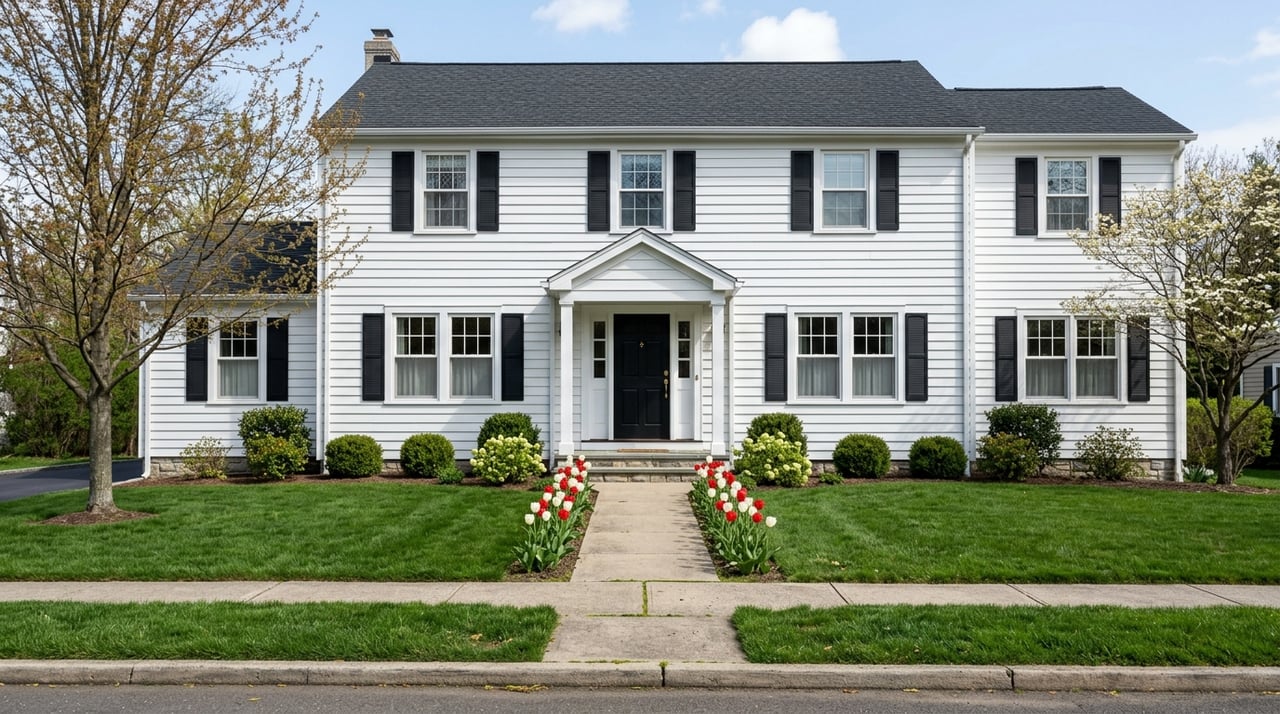
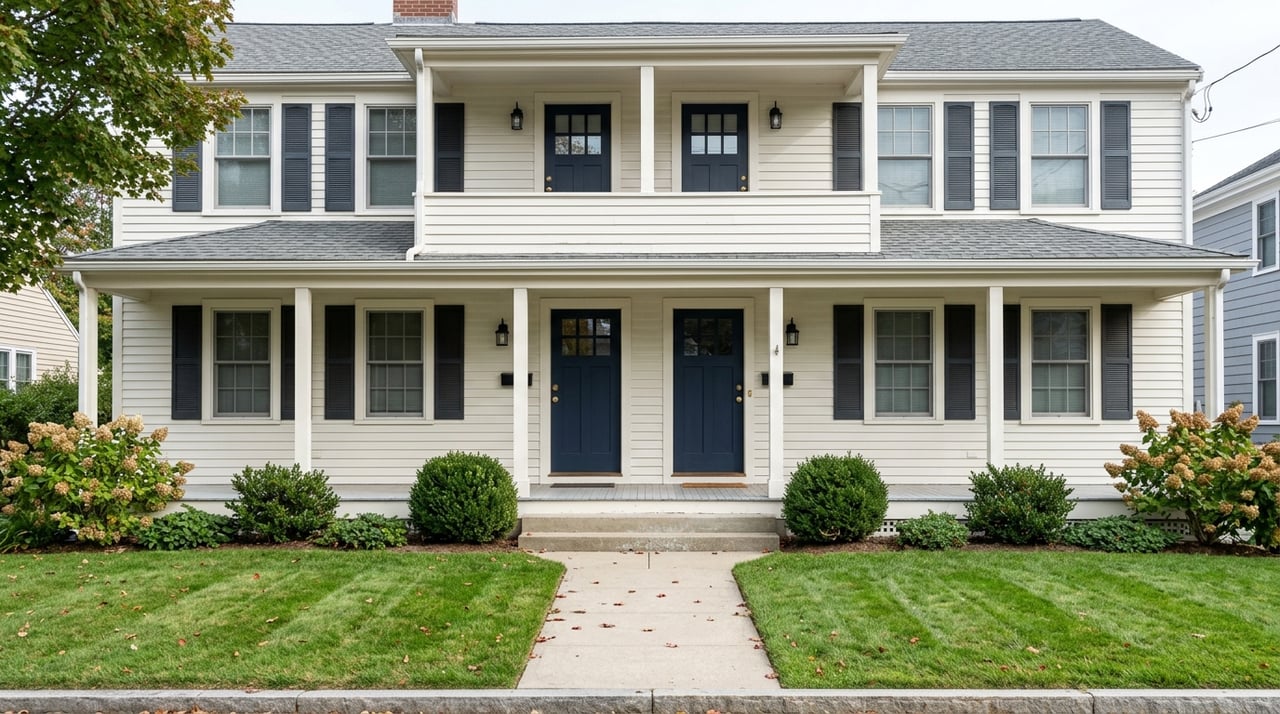
- Curb appeal: tidy landscaping, power wash walkways, fresh front door paint.
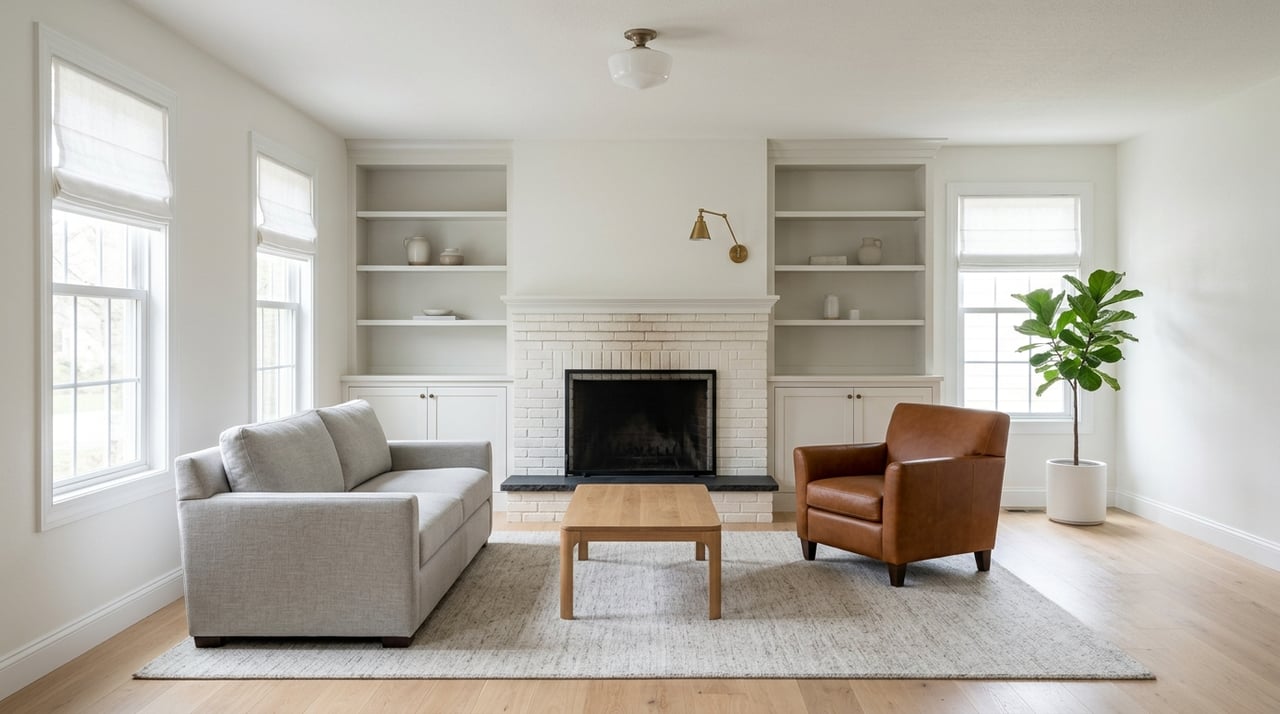
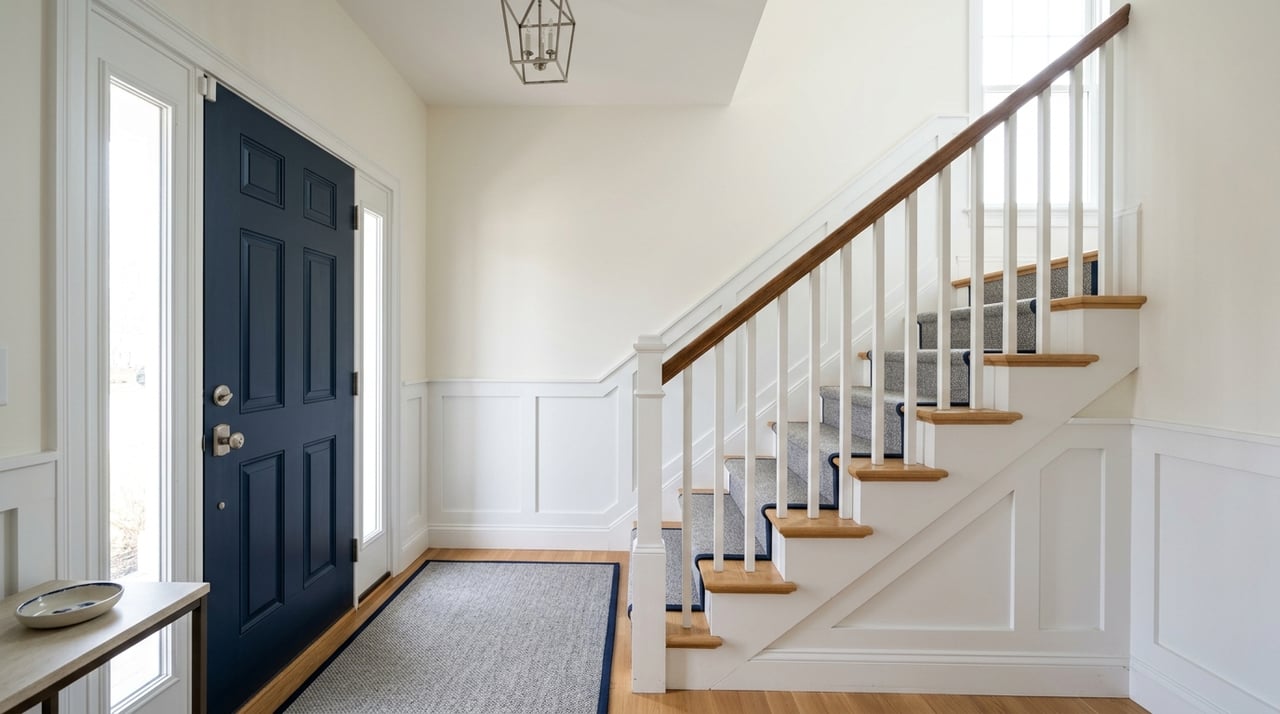
- Interiors: declutter, deep clean, and apply fresh neutral paint where needed.
- Updates: swap dated lighting and hardware for clean, modern finishes.
- Media: professional photography, floor plans, and a 2 to 3 minute highlight video. Consider a virtual tour.
- Staging: full or targeted staging for main living areas and the primary suite.
- Pre-listing inspection: address minor repairs to reduce buyer uncertainty.
Small, smart upgrades often yield the best return in the first 2 to 4 weeks on market. Consider larger repairs only when they match buyer expectations in your micro-market.
Run a short pre-market ramp
A focused 1 to 2 week ramp builds awareness and validates your price before you lose momentum.
Suggested timeline:
- Day -14 to -10: finalize your micro-market analysis and MOI, and agree on a list range. Prioritize staging and repairs.
- Day -10 to -4: complete staging, pro photos, virtual tour, and pre-listing inspection as needed.
- Day -3 to 0: if permitted by MLS rules, use Coming Soon or host a broker preview. Lock in launch date and showing schedule.
- Day 0: go live with full media and schedule an open house or broker preview within 3 to 7 days.
Follow local MLS rules for Coming Soon status and timing. In markets like Cheshire, broker previews and agent networking can translate to early buyer traffic.
Use early feedback fast
Track both numbers and narrative in the first 7 to 14 days:
- Quantitative: showings, inquiries, online views, saves, and offers.
- Qualitative: agent and buyer feedback on price, condition, and comps.
Act quickly and keep adjustments small:
- Strong engagement but no offers: refine price by 1 to 2 percent or highlight buyer incentives.
- Weak engagement and low views: reassess photos, description, or price. Consider a 2 to 4 percent adjustment and relaunch with a fresh marketing push.
- Avoid large cuts over 5 to 7 percent in the first 7 to 10 days unless market fundamentals changed.
Step-by-step launch checklist
- Gather data
- Pull 5 to 7 micro-market comps: sold, pending, active, expired.
- Calculate price per square foot and MOI.
- Inspect and prepare
- Do a walk-through and pre-listing inspection if needed.
- Prioritize repairs and staging. Schedule professional media and floor plans.
- Set list strategy
- Choose one: competitive market price, slightly below to drive competition, or market price with a short review period.
- Avoid testing the market too high unless there is a clear, documented reason.
- Pre-market ramp
- Execute staging, photos, and marketing assets.
- Use Coming Soon only if allowed and only when media is ready. Consider a broker preview.
- Launch and measure
- Track daily metrics for 7 to 14 days. Capture agent feedback.
- Adjust fast
- Make a small, well-documented price or positioning move if metrics point to mispricing.
Common pitfalls to avoid
- Pricing off town averages instead of micro-market comps.
- Listing high to test the market and then chasing the price down.
- Skipping staging and professional media when competing listings look better.
- Ignoring low early engagement or waiting weeks to adjust.
- Making large early price cuts that signal distress.
What this looks like in Cheshire
Start with your 5 to 7 closest matches in the same neighborhood and school zone. Apply the hypothetical subject and comps above, then overlay current MOI for that micro-market. If MOI is under 3 months, you might choose the lower end of the suggested range to spark competition. If MOI is 3 to 6 months, list within 1 to 3 percent of the most relevant solds and make your presentation the tie-breaker. If MOI is above 6 months, consider a sharper initial price and buyer incentives.
Refresh the data the week you list. Review early feedback after launch and be ready with a pre-agreed, small adjustment if needed.
Next steps
If you are planning to sell in Cheshire, build your comp set now and get a fresh read on MOI in your micro-market. Align your price to demand, focus on standout presentation, and run a short ramp to validate your strategy before you lose momentum. If you would like a tailored valuation, a detailed comp package, and a launch plan that includes staging, professional media, and a Mega Open House, reach out to Robert Paskiewicz for a consultation.
FAQs
How do I choose the right comps in Cheshire?
- Start within the same neighborhood and school zone for the past 3 to 6 months, match bed/bath, size, lot, and updates, then expand only if you lack enough recent sales.
What is months of inventory and why does it matter?
- Months of inventory is active listings divided by average monthly sales. It signals pricing power: under 3 months favors sellers, 3 to 6 is balanced, over 6 favors buyers.
How long should my pre-market ramp last?
- Plan for 1 to 2 weeks to complete staging, media, and agent previews so you launch with strong presentation and early interest.
Should I use Coming Soon status in Cheshire?
- Use it only if allowed by the MLS and only when your photos and marketing are ready, since poor execution can frustrate buyers and reduce impact at launch.
How fast should I adjust if interest is low?
- Reassess within 7 to 14 days using showings, online views, and feedback. Make a small, documented price or positioning change rather than waiting.
Do staging and photography really influence price?
- Yes. Strong presentation increases showings and reduces time on market, which supports your target price in the first critical weeks.