Buying your first home in Southington is exciting, but the mortgage part can feel complex. You want a home you love with a payment you can live with, today and five years from now. This guide walks you through a smart mortgage plan that fits Southington’s market, shows you how to estimate monthly costs, and helps you get pre-approved with confidence. Let’s dive in.
How Southington prices map to your budget
Local markets move quickly. Before you shop, gather current data from your agent’s MLS feed, recent broker market updates, and the Southington town assessor for property tax details. Once you have a price range, turn that number into a monthly payment so you know exactly what “affordable” looks like.
Here is a simple monthly carrying cost framework to use for any price point:
- Mortgage principal and interest, based on your rate and down payment
- Property taxes, calculated using the town’s mill rate
- Homeowners insurance, based on local quotes
- HOA fees, if buying a condo or townhouse
- Private mortgage insurance (PMI), if putting less than 20% down on a conventional loan
- Utilities and routine maintenance, you can model 1% of the purchase price per year
Entry-level options
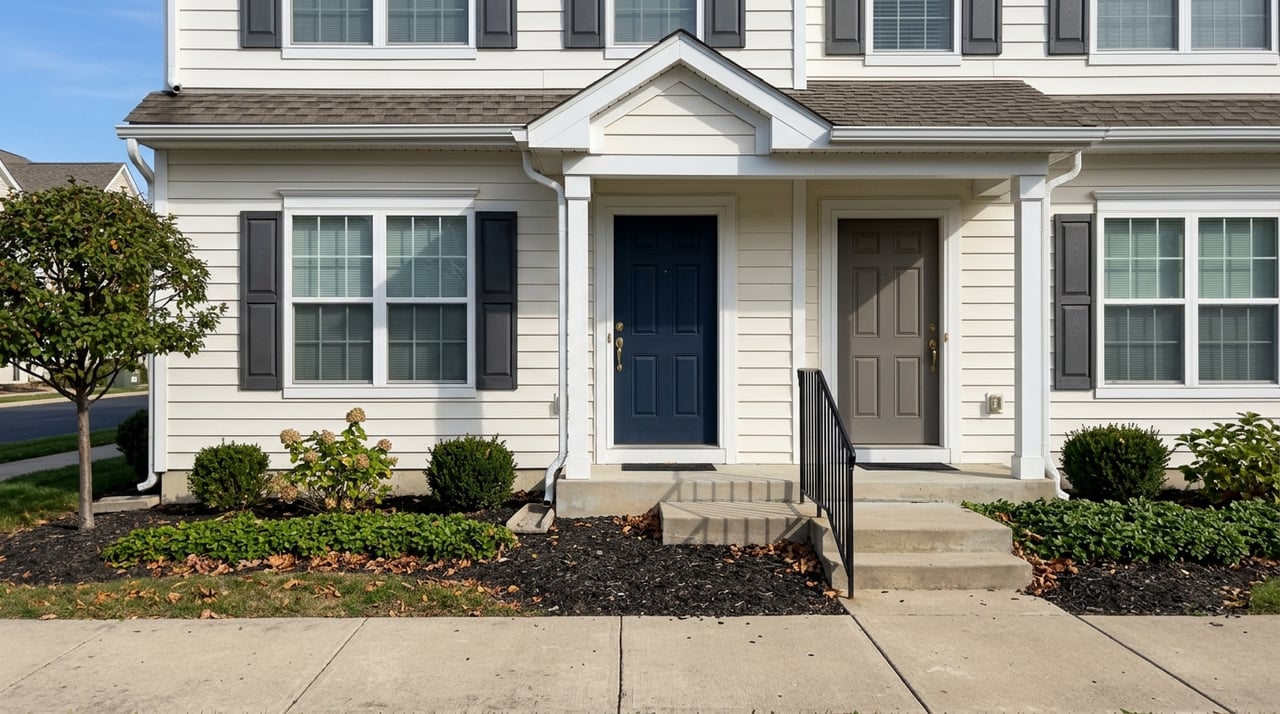
Many first-time buyers start with condos, townhomes, or smaller single-family homes. Condos and townhomes often come with lower purchase prices and predictable exterior maintenance, but HOA fees can offset part of the mortgage savings. Smaller single-family homes may offer a yard and privacy, but plan for ongoing upkeep. Ask your agent to set up a search that spotlights these property types in locations that fit your commute and lifestyle.
Mid-level starter single-family homes
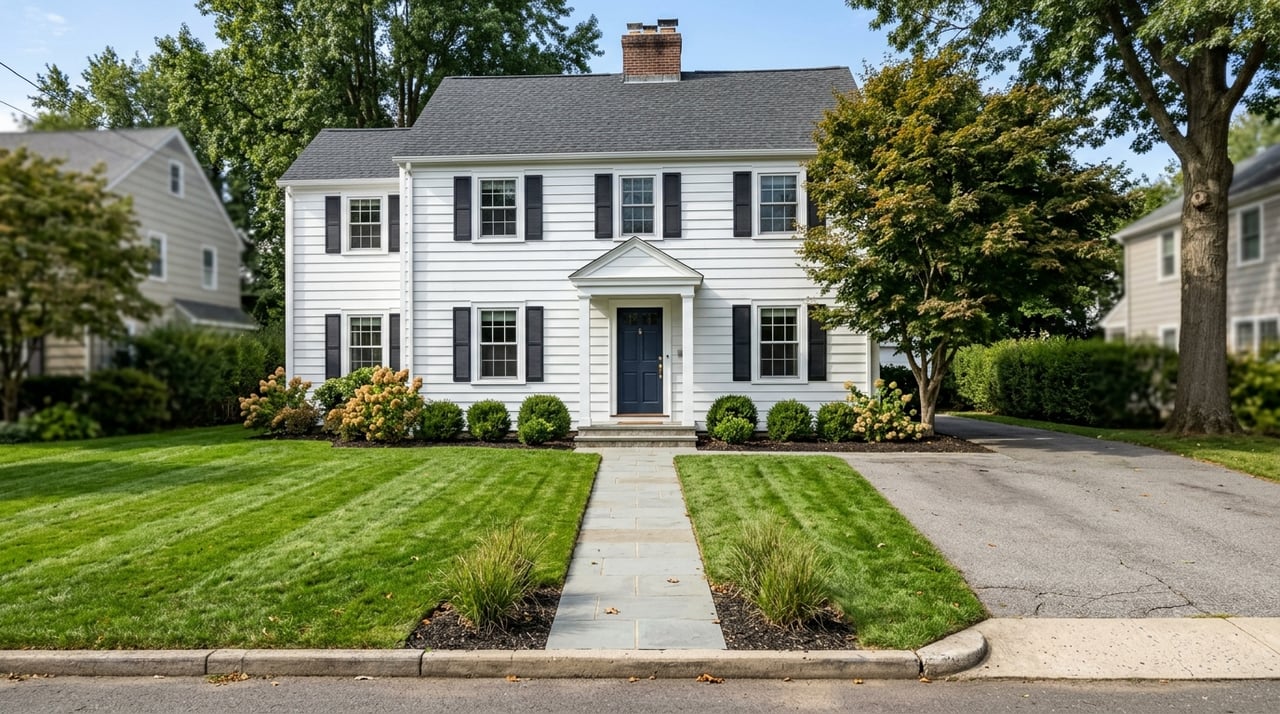
Three-bedroom single-family homes can be a good fit if you need more space or plan to stay longer. You may find a broader mix of neighborhoods and yard sizes across town. Your monthly payment will depend on taxes for that specific property, so ask your agent for the last tax bill and factor it into your estimate.
Stretch or competitive segment
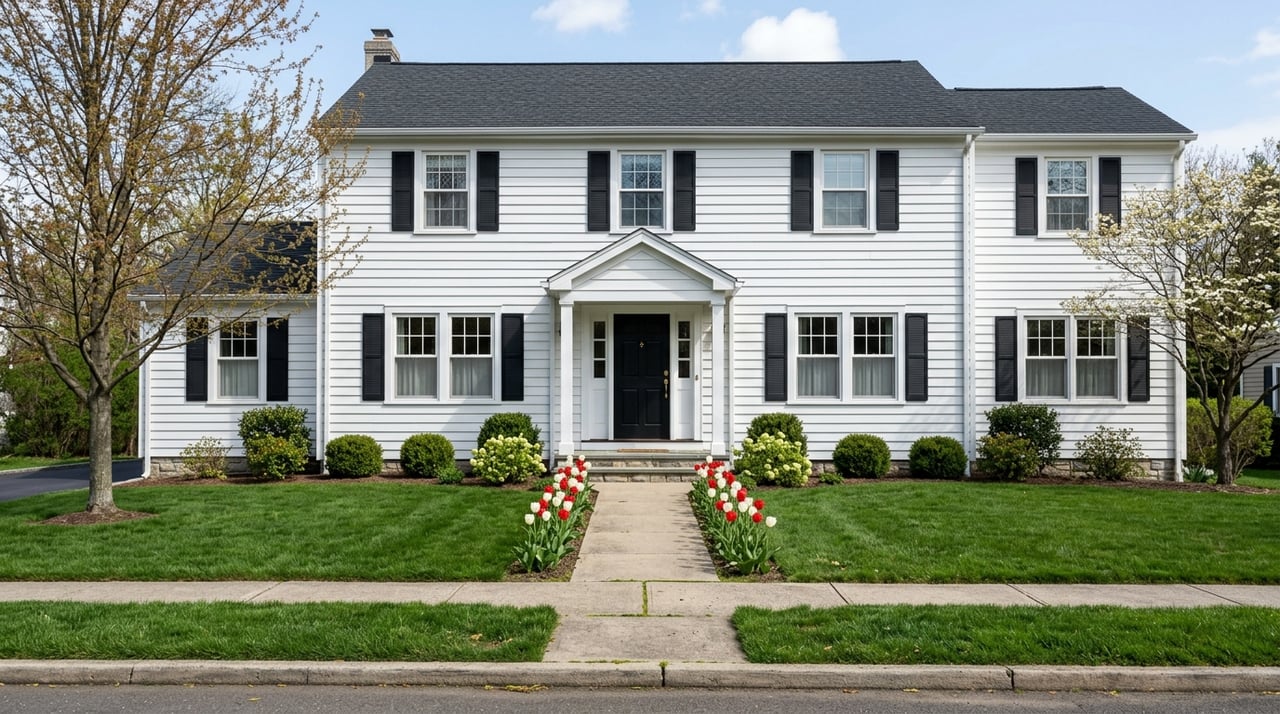
Updated or larger homes in higher-demand areas can attract more competition. Expect stronger offers and shorter days on market when a property shows well and is priced right. If you are shopping in this segment, a strong pre-approval and flexible terms help you compete without overextending.
Analyze comps the smart way
Review 6 to 12 months of recent sales in the immediate area. Compare by property type, size, lot, condition, updates, and local school district boundaries. Your agent can help you adjust for differences so you understand value and how a home’s features impact pricing.
Build your smart mortgage plan
A smart mortgage plan starts with knowing the loan options, your cash to close, and the total monthly payment. Below are the main programs first-time buyers in Connecticut often consider. Program rules change, so verify details with approved lenders and official program sites before you apply.
FHA loans
- Strengths: Lower credit score thresholds and smaller down payments make FHA a popular entry point for first-time buyers.
- Considerations: Upfront and annual mortgage insurance premiums increase your monthly payment. Ask your lender to show the full cost.
- General credit guidance: Many lenders consider scores around 580 and higher for 3.5% down. Lower scores may require larger down payments.
Conventional loans
- Strengths: Competitive rates for stronger credit profiles. Some first-time buyer programs allow as little as 3% down. PMI can be removed when you reach 20% equity.
- General credit guidance: Many lenders prefer 620 or higher for standard conforming loans.
- DTI: Lenders commonly look for a back-end debt-to-income ratio near or under 43%, with flexibility in some cases.
VA loans (for eligible military borrowers)
- Strengths: Often zero down, no PMI, and competitive rates.
- Eligibility: Available to qualified service members, veterans, and some surviving spouses. Ask your lender to confirm your eligibility and benefits.
USDA Rural Development loans
- Strengths: Zero down in designated rural areas, with income limits and property-eligibility rules.
- Note: Southington is suburban. Confirm property eligibility on official USDA maps before you plan on this program.
CHFA programs in Connecticut
The Connecticut Housing Finance Authority (CHFA) is a key resource for first-time buyers. CHFA partners with approved lenders to offer 30-year fixed-rate mortgages, plus down payment and closing cost assistance in some cases. Income, purchase price, and other eligibility limits apply and change over time, so check current program terms and lender participation before you apply.
What drives your payment and approval
- Credit score: Impacts your interest rate and program eligibility. Improving your score even a little can lower your monthly payment.
- Down payment: Higher down payments reduce mortgage insurance and monthly costs. With 20% down on a conventional loan, you can avoid PMI.
- Debt-to-income ratio: Lenders evaluate your monthly debts against your income. Keep debts stable, and avoid new loans before closing.
- Cash reserves: Some loans require 1 to 3 months of reserves. Extra savings can also improve your negotiating confidence.
- Interest rate: Small rate differences add up over time. Compare official Loan Estimates from multiple lenders to understand total costs, including fees and mortgage insurance.
Your 6-week path to pre-approval
Use this timeline to get mortgage ready without stress.
Week 1: Credit and cash check
- Pull all three credit reports and scores. Dispute errors and pay down high-interest revolving balances if possible.
- Set a savings target for down payment, closing costs, and reserves. Closing costs usually range from 2% to 5% of the purchase price.
Week 2: Program fit and documents
- Discuss FHA, conventional, VA or USDA, plus CHFA assistance if eligible, with a lender who serves Connecticut.
- Gather documents: last 30 days of pay stubs, two years of W-2s or 1099s, two months of bank statements, ID, and current debt statements.
Week 3: Pre-approval
- Get a written pre-approval that spells out your max purchase price and estimated monthly payment.
- Ask your lender for a full Loan Estimate. Review rate, APR, mortgage insurance, lender fees, and any credits.
Week 4: Shop lenders
- Request Loan Estimates from two or three lenders. Ask about rate locks, extension costs, and any lender overlays.
- Choose the lender that offers the best total value, not just the lowest rate at first glance.
Week 5: Tour homes
- Tour with your pre-approval in hand. Ask for recent comps and the last tax bill for any home you like.
- Model the total monthly cost for each property, not just the price and rate.
Week 6: Offer strategy
- Decide on contingencies and timeline. Plan for earnest money and inspection costs.
- Coordinate with your agent and lender so your offer terms match your mortgage plan.
Smart Mortgage Plan checklist
- Credit basics: Pull credit, fix errors, pay down revolving balances.
- Savings goals: Down payment, closing costs at 2% to 5%, plus 3 to 6 months reserves.
- Documents: Pay stubs, W-2s or 1099s, bank statements, ID, debt statements, and any gift letters.
- Program fit: Compare FHA, conventional, VA or USDA, and CHFA options.
- Lender shopping: Collect and compare official Loan Estimates.
- Pre-approval: Get it in writing before touring.
- Offer game plan: Inspections, appraisal, and rate lock timing.
A simple Southington monthly-cost example
Use this template to estimate your monthly payment. Replace placeholders with your numbers and the current Southington mill rate.
- Mortgage principal and interest
- Use a mortgage calculator with your purchase price, down payment, term length, and quoted rate.
- Property taxes
- Assessed value × mill rate ÷ 1,000 = annual property tax
- Divide by 12 for monthly taxes
- Homeowners insurance
- Plug in a local quote for annual premium, then divide by 12.
- HOA fee (if any)
- Add the monthly HOA dues from the listing or association.
- Mortgage insurance (if any)
- Conventional PMI varies with credit score and down payment. FHA has upfront and annual MIP. Ask your lender for the exact monthly amount.
- Utilities and maintenance
- Budget 1% of the purchase price per year for routine maintenance. Add expected monthly utilities for electric, heat, water, and internet.
Stress test your plan by modeling a 0.5% to 1% higher interest rate. If the payment still fits, you are in good shape to shop and negotiate.
Southington practical factors that affect affordability
Property taxes and insurance
Southington taxes are set at the town level. Confirm the current mill rate with the Southington assessor before you finalize your budget, and use the assessed value for the tax calculation. For insurance, request quotes early. Inland locations like Southington may have different risk considerations than coastal areas, but individual property features and claims history still matter.
Commute, schools, and daily logistics
Southington offers suburban living with access to Hartford, New Britain, and Waterbury by I-84 and nearby highways. When you compare homes, look at commute patterns at your typical travel times. Review public school district boundary maps and data directly from official sources to understand zoning and logistics. Neighborhood features and district lines can influence pricing and demand.
Property type trade-offs
- Condos and townhomes: Lower maintenance and often a lower entry price, but HOA fees and rules apply. Review the association’s financials and policies.
- Older single-family homes: More affordable upfront in some cases, but plan for system updates like roof, heating, electrical, and possible environmental items in older homes.
- Newer construction: Higher purchase prices in many cases, but fewer immediate repairs. Verify builder warranties and expect longer timelines.
Offers, inspections, and appraisals
Include standard inspections that fit the property: general home inspection, radon, and septic or well testing if applicable. If a home is older, consult on additional checks such as lead-based paint or older wiring. Appraisals must meet lender standards. If an appraisal comes in low, you and the seller can renegotiate, you can bring extra cash, or you can exit if your contingency allows. Your agent will help you balance contingencies with market competitiveness.
Key questions to ask a lender
- What first-time buyer programs do you offer that fit Connecticut borrowers?
- Do you participate with CHFA and any approved down payment assistance options?
- Based on my credit and down payment, what interest rate and monthly payment should I expect?
- What fees appear in your Loan Estimate, and which are negotiable?
- How long is your rate lock, and what are the costs and options to extend it?
- What documentation do you need for pre-approval and final underwriting?
Ready to start in Southington?
If you want a smoother first purchase, align your search with a clear mortgage plan and a realistic monthly budget. When your financing and offer strategy work together, you can focus on the right homes and move quickly when the perfect one hits the market.
If you are ready to see what is possible, connect with Robert Paskiewicz for a friendly strategy session. Our Southington-based team pairs local market insight with integrated mortgage guidance so you can buy with confidence.
FAQs
How much should I save for a home in Southington?
- Plan for a down payment, closing costs at roughly 2% to 5% of the purchase price, and 3 to 6 months of reserves, then check whether assistance can reduce your cash to close.
Will I qualify for CHFA or other first-time buyer programs in Connecticut?
- Eligibility depends on income and purchase price limits, being a first-time buyer under the program’s definition, and lender participation, so verify current rules with approved lenders and official program resources.
Is buying a condo a smart first step in Southington?
- Condos can be a practical entry point, but weigh HOA fees, rules, and the association’s financial health against your total monthly budget and long-term plans.
How do I estimate Southington property taxes in my payment?
- Use the town’s formula, assessed value multiplied by the mill rate divided by 1,000 for annual taxes, then divide by 12 to add to your monthly estimate.
Can I change loan programs after I get pre-approved?
- Yes, you can switch before final underwriting, but you will need to update documents and approvals so your new program and payment are fully verified.