Berlin CT Commute and Housing for Hartford & New Haven
February 19, 2026
February 19, 2026
Picture this: you step onto a clean platform in Kensington with a coffee, hop on a Hartford Line train, and you’re downtown in minutes. If you split time between Hartford and New Haven or want a reliable rail option with suburban living, Berlin might be exactly what you’re looking for. In this guide, you’ll see how Berlin stacks up for train and car commutes, what to expect on housing costs, and a simple checklist to decide if it fits your daily routine. Let’s dive in.
Berlin sits at the center of central Connecticut, with a Hartford Line station, practical highway access, and suburban housing that appeals to many buyers. If your time is tight, that combination matters.
The Berlin (Kensington) station is on the Hartford Line with high-level platforms, bike racks, elevators, EV charging, and about 235 free daily parking spaces. Those features make rail an easy everyday choice if you prefer to drive to the station and ride. You can review amenities and parking on the official Berlin station page.
Weekday service is frequent, with many trains stopping at Berlin in both directions. Typical travel time from Berlin to Hartford Union Station runs about 12 to 16 minutes on most weekday trains. Check exact times in the Hartford Line weekday timetable and confirm they match your work hours.
If you’re budgeting monthly costs, the system publishes current passes and ticketing details on the Tickets and Fares page. You’ll get predictable pricing and a commute that is less affected by highway slowdowns.
If New Haven is your primary destination, Berlin still works. Typical Berlin to New Haven ride times are roughly 28 to 36 minutes depending on the specific train. You can check southbound options and return trips in the weekday timetable.
That said, towns farther south on the same corridor, like Meriden or Wallingford, can be a bit quicker and sometimes less expensive for housing. If every minute counts on the New Haven leg, you’ll want to compare total door-to-desk time from each town before you decide.
Berlin gives you direct access to regional connectors. The Berlin Turnpike (U.S. Route 5/Route 15) links quickly to I-91 for New Haven. You can learn more about that corridor via this overview of U.S. Route 5 in Connecticut. Local arterials like Route 372 help you reach the station area and neighboring towns efficiently. See an overview of Connecticut Route 372.
Driving times vary by time of day. Berlin to Hartford is a short hop in light traffic. Berlin to New Haven typically runs about 30 to 40 minutes off peak, and you can get a quick estimate using tools like Travelmath’s Berlin to New Haven drive-time calculator. Always check live navigation during commute windows for the most accurate picture.
If you do not want to drive to the station, CTtransit routes in the New Britain/Hartford division serve portions of Berlin and the station area. WayToGoCT provides a helpful roundup of local service; explore options on the Berlin transit page.
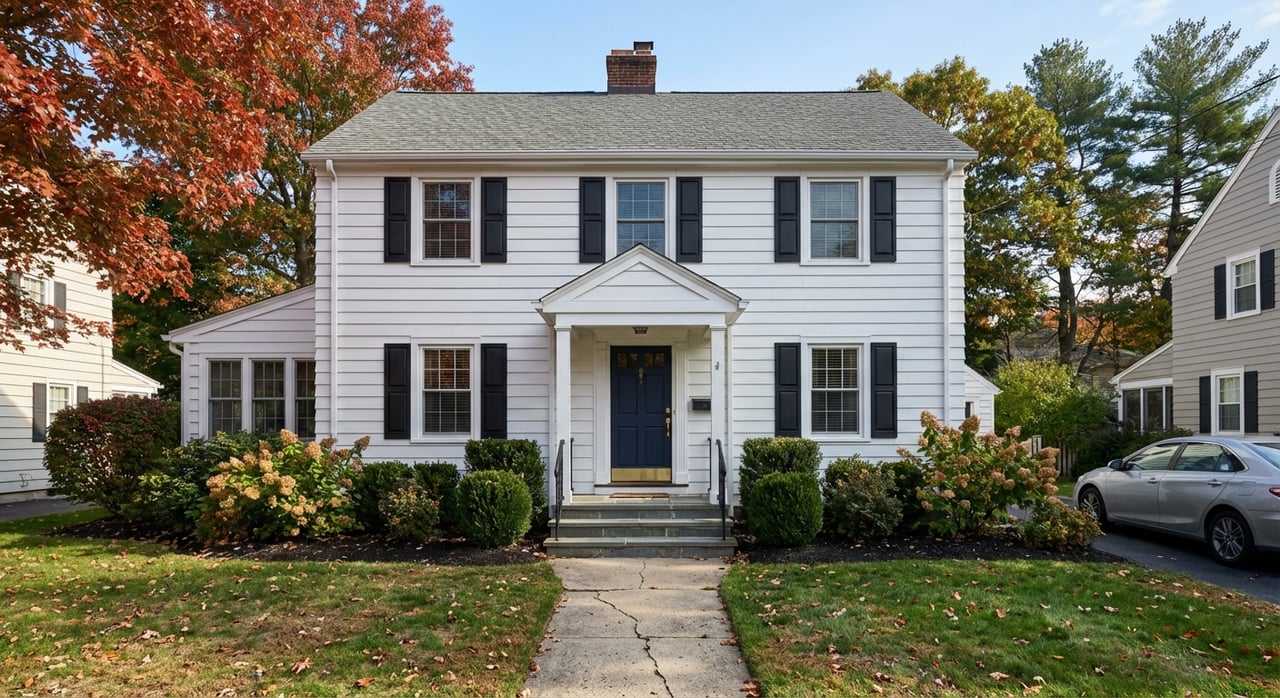
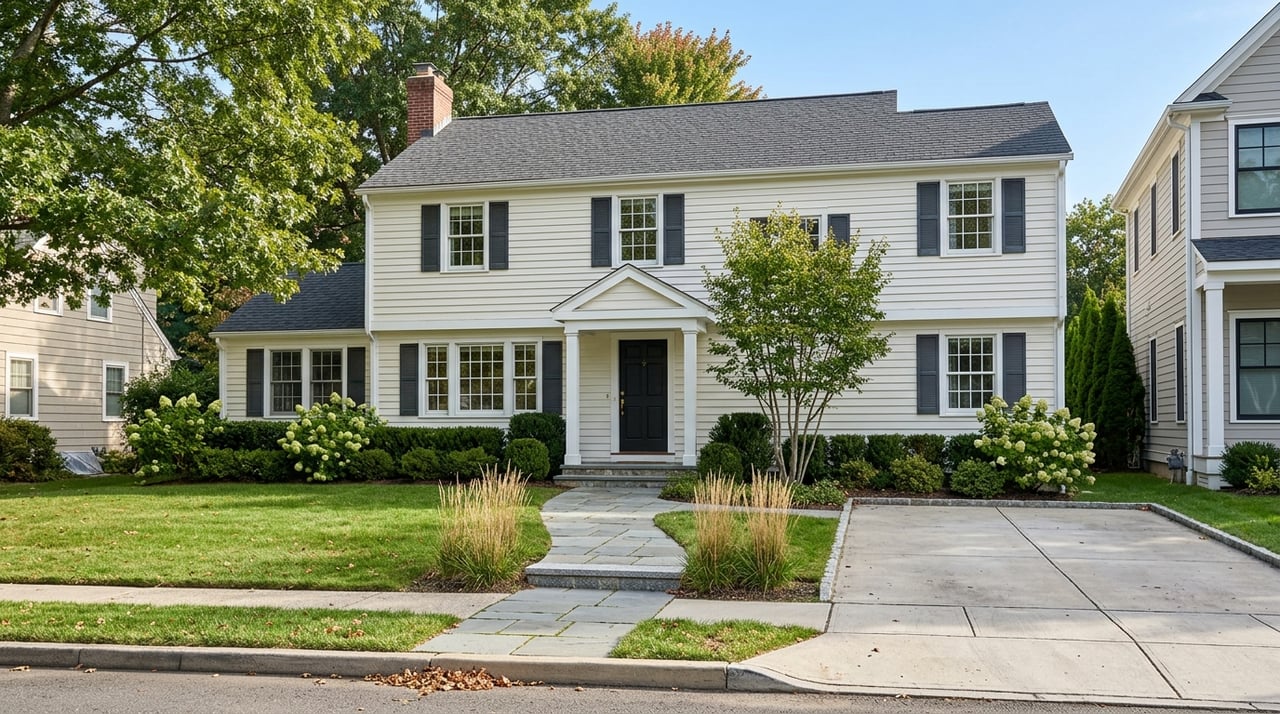
Berlin’s housing stock skews suburban and single-family, with many buyers targeting the low to mid $400,000 range for typical homes in 2025 and 2026. Recent snapshots show a typical Berlin home value near $429,000 and a median listing price around $420,000. Census-based data also shows a solid owner-occupied profile across about 8,600 housing units, which fits the town’s stable, residential feel. You can view Berlin’s housing and demographic snapshot via Census Reporter.
How does that compare nearby? Meriden’s recent median sale price comes in lower, often around the mid $300,000s, and it is closer to New Haven by rail and highway. Wethersfield and Rocky Hill tend to track closer to Berlin’s range, and Wallingford often lands in the low to mid $400,000s. Your best pick comes down to which lever you want to pull: commute time, monthly budget, or specific home features.
Use this quick checklist to see if Berlin fits your day-to-day.
To make this concrete, here are two simple, real-world examples. Always verify your exact timing with current schedules and live navigation.
Berlin to Hartford by rail
Berlin to New Haven by rail
If you prefer to drive, expect more variability during peak periods, especially on I-91. Off-peak, Berlin to New Haven commonly runs around 30 to 40 minutes. Keep a buffer for the Route 9 and Berlin Turnpike transitions, and check live conditions before you leave.
Berlin’s ridership figures point to a station used by daily commuters as well as intercity travelers, which is a good sign for service consistency. For a broader view of the station’s role and usage, see the Great American Stations Berlin profile. For current fares and any service notices, go straight to the operator’s fares and schedules page.
If your primary destination is Hartford, Berlin is an excellent fit. The train is fast, the station is easy to use, and the housing stock aligns with many suburban buyers. If New Haven is your main commute, Berlin remains viable but not always the absolute fastest; towns a bit farther south may trim time and cost. Your ideal choice comes down to how you balance commute minutes, price, and the style of home you want.
Ready to compare towns side by side or map out your commute costs with financing built in? Let’s make a plan that fits your life and your timeline. Connect with Robert Paskiewicz to request your free valuation or schedule a consultation.

We pride ourselves in providing personalized solutions that bring our clients closer to their dream properties and enhance their long-term wealth. Contact us today to find out how we can be of assistance to you!