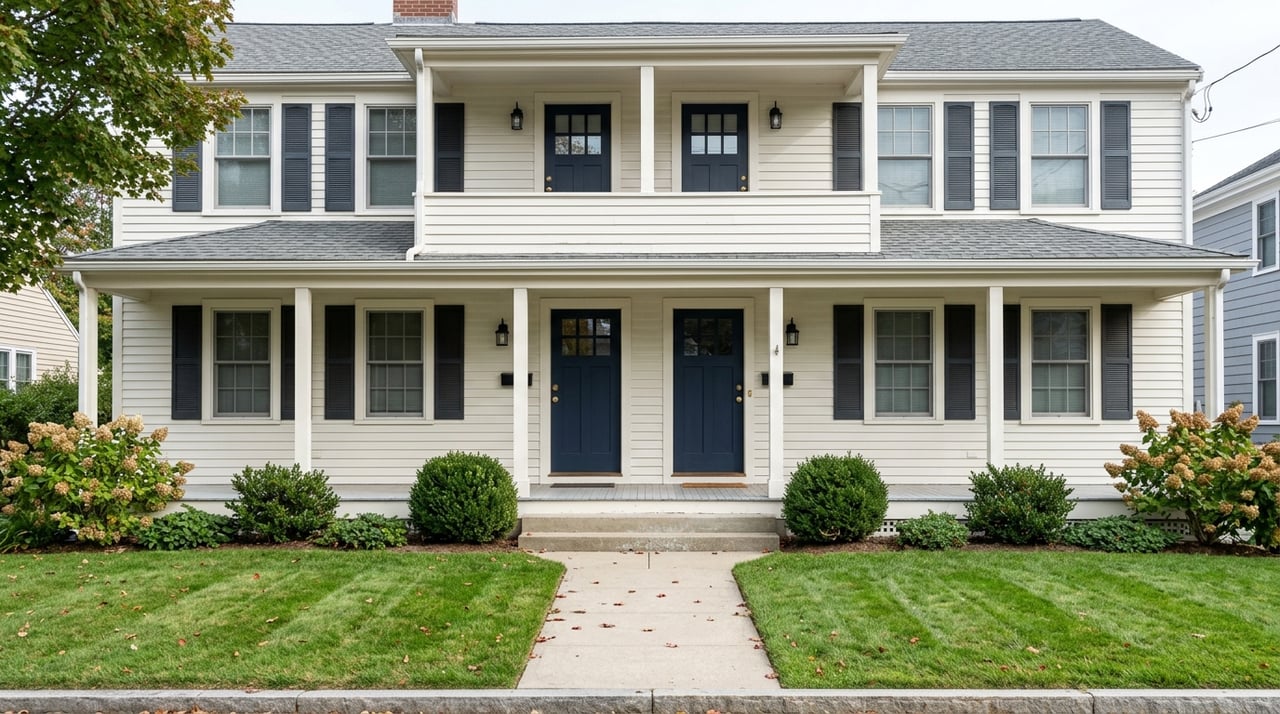
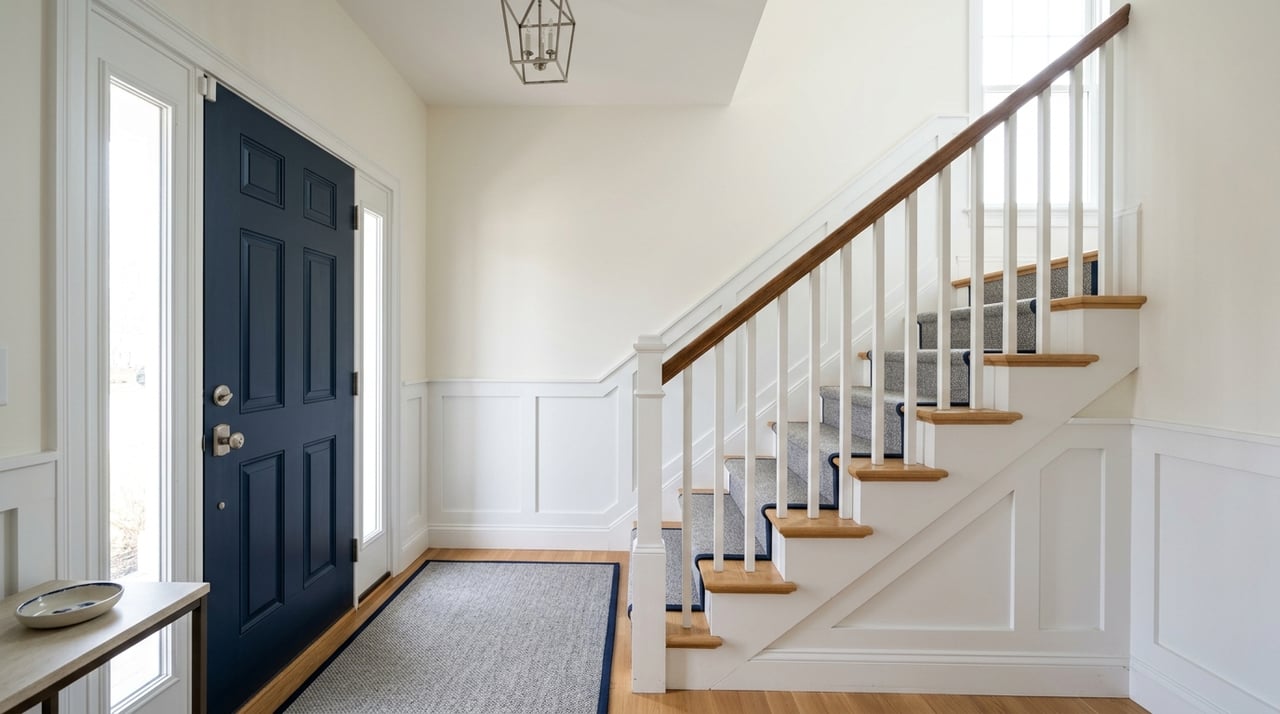
Wondering why so many For Sale signs pop up in Rocky Hill each spring? You are not imagining it. Connecticut’s market moves in predictable waves, and timing can affect your days on market, negotiation power, and final price. In this guide, you will learn how seasonality typically plays out across Rocky Hill and greater Hartford County, what it means for you as a buyer or seller, and how to position your move for success. Let’s dive in.
How Connecticut seasonality works
Connecticut follows a classic Northeast pattern. Activity peaks in spring, stays solid in early summer, cools in fall, and slows the most in winter. While exact numbers change year to year, the rhythm is consistent.
- Spring (April to June): New listings and showings are usually highest. Homes tend to sell faster, and well-priced properties often secure stronger sale-to-list outcomes.
- Summer (July to August): Activity remains healthy but can soften as vacations pick up. Inventory is still solid, and timing works well for relocation buyers and families aiming to close before the new school year.
- Fall (September to October): Buyer traffic eases. Days on market typically lengthen and negotiations tilt slightly toward buyers.
- Winter (November to February): The quiet season. Fewer listings and showings, longer days on market, and more room for concessions.
Seasonality can be amplified or muted by mortgage rates, inventory levels, and local employment trends. In recent years, rate volatility has dampened some bidding-war intensity, but the spring peak in activity remains a defining feature.
Rocky Hill and Hartford County factors
Rocky Hill aligns closely with Hartford County patterns, with a few local twists that shape timing and expectations.
- School-year timing: Many sellers aim for late spring listings to target summer closings. This concentrates buyer demand in April through June.
- Commuter convenience: Access to I‑91 and proximity to Hartford draw professionals year-round. Corporate relocation waves tend to cluster in spring and late summer.
- Housing mix: Single-family homes, condos, and multifamily properties can experience seasonality differently. Higher-priced or unique homes often have longer timelines and more pronounced seasonal swings.
- Weather impact: Winter conditions reduce curb appeal and showings. Strong interior staging and professional photography become even more important for off-season listings.
Bottom line: If you plan to sell in Rocky Hill, late April through June usually offers the broadest buyer pool. If you plan to buy, late fall and winter often present better negotiating leverage, with fewer competing bids.
What sellers can expect by season
Spring seller playbook (April to June)
Spring is your prime window to maximize exposure. Prepare in late winter so you can hit the market when buyer traffic rises. Focus on pricing near market value to encourage multiple showings quickly.
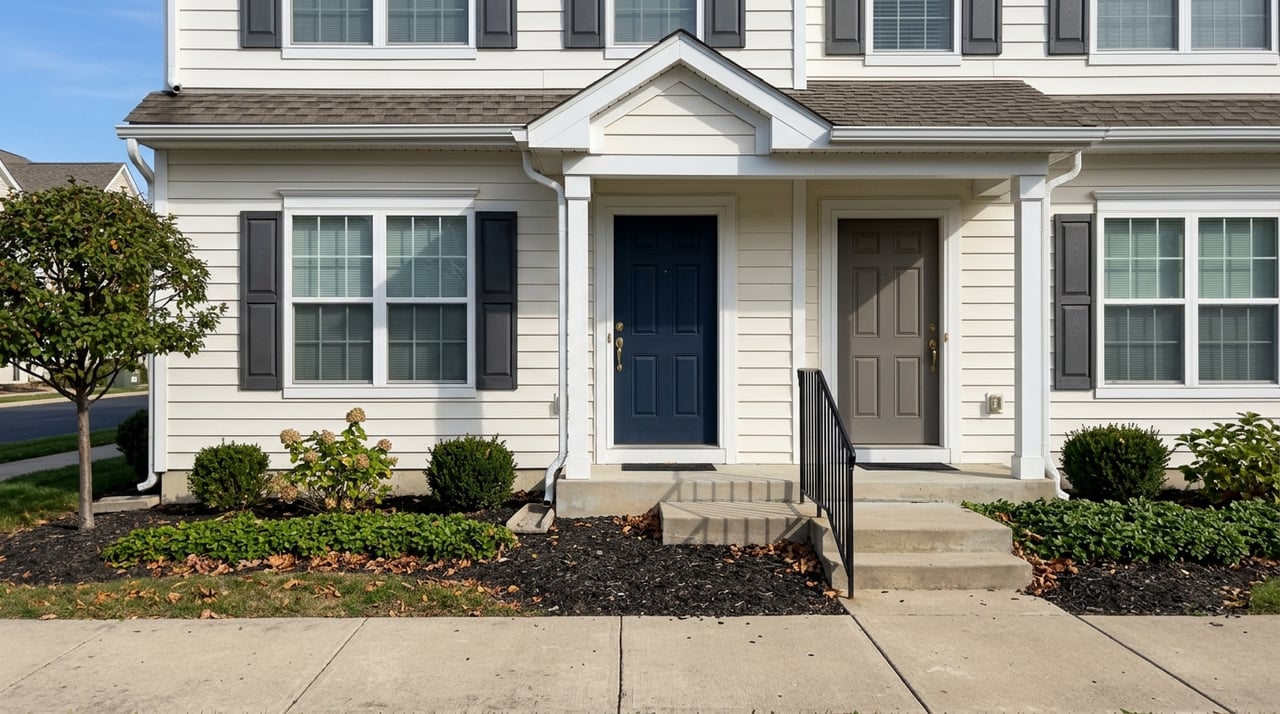
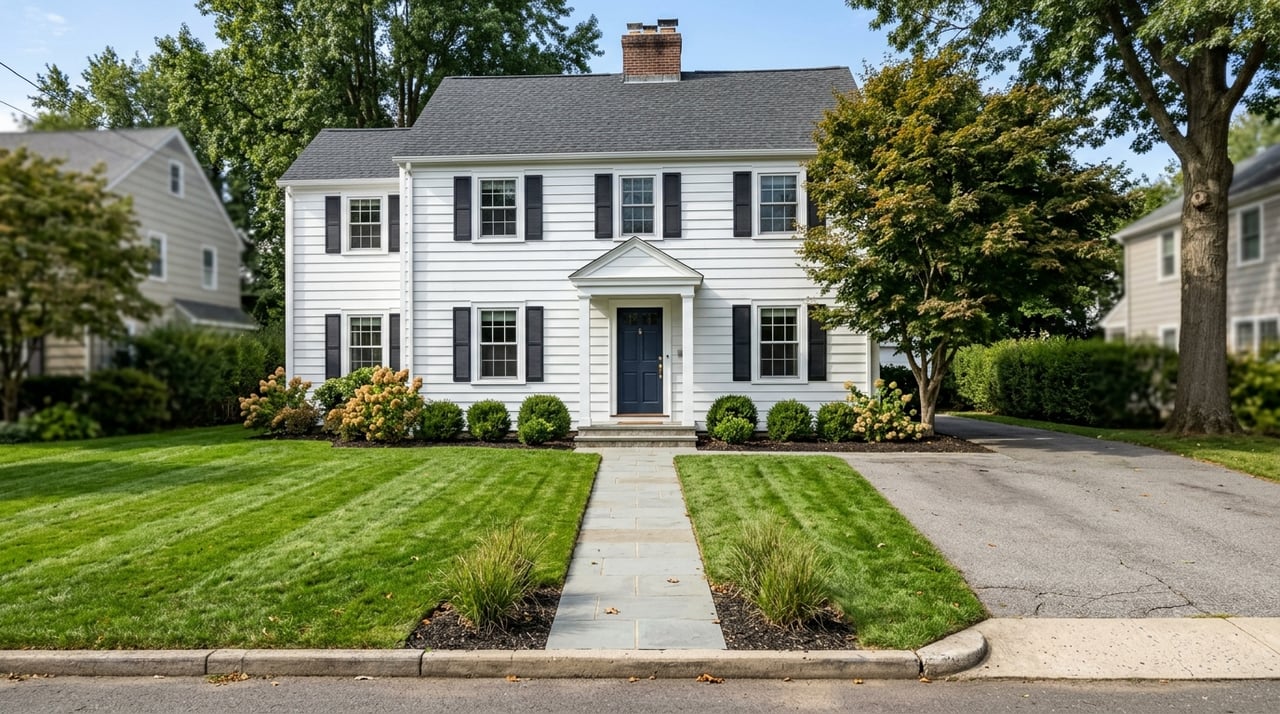
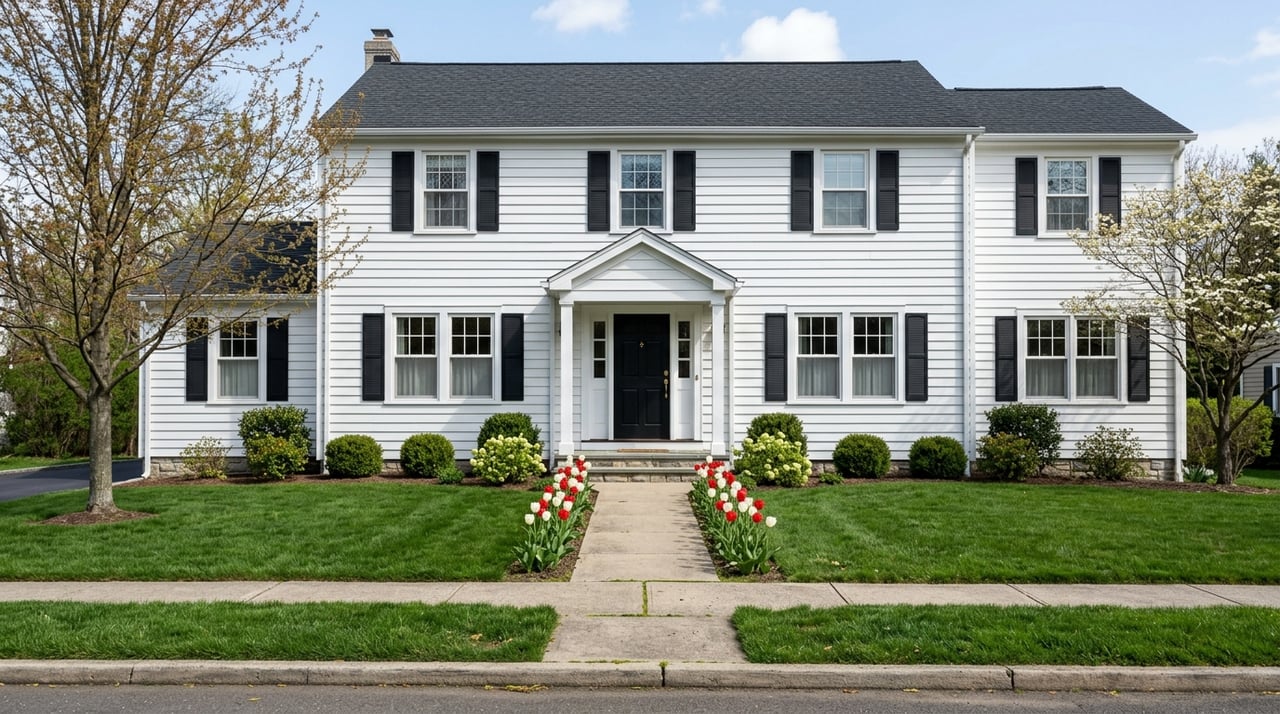
- Refresh exterior landscaping and entryways for photos and showings.
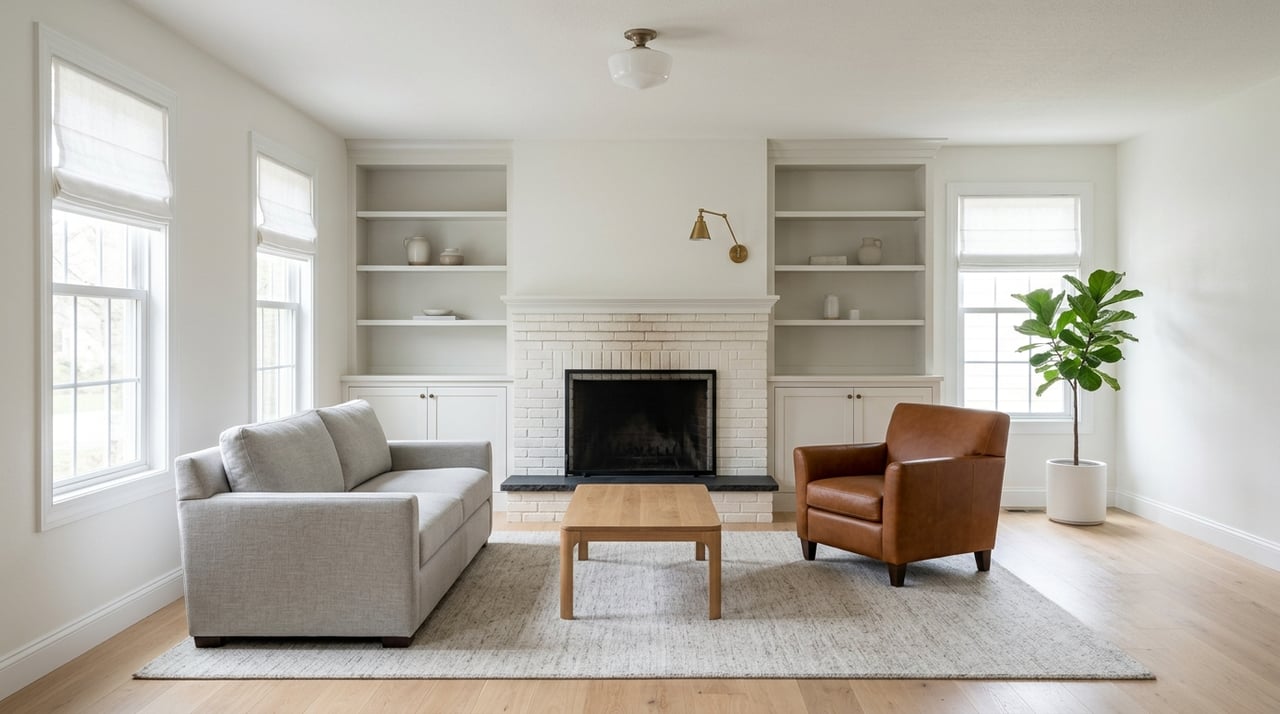
- Stage living areas for light and space. Use neutral tones and simple decor.
- Schedule professional photography and 360 tours to stand out online.
- Consider a well-promoted open house weekend to capture the spring surge.
Summer seller tips (July to August)
Summer stays active, but showing traffic can be inconsistent with vacations. Make it easy for buyers to see your home.
- Offer flexible showing times and highlight move-in timelines that align with August closings.
- Market to relocation buyers who need a quick transition.
- Keep lawns, plantings, and exterior maintenance on point as heat and storms roll through.
Fall seller strategy (September to October)
Buyer volume eases, and urgency fades. Lead with realistic pricing and condition.
- Emphasize systems and maintenance readiness, including heating and insulation details.
- Consider incentives such as flexible closing dates or minor repair credits.
- Refresh marketing copy and media if your home was listed earlier in the year.
Winter seller approach (November to February)
Expect fewer showings and more negotiation requests. A strong presentation can still deliver solid results, especially if inventory is thin.
- Invest in warm interior lighting and seasonal staging to create a welcoming feel.
- Price competitively and be ready for inspection and concession requests.
- Use fresh professional photos to avoid dull winter imagery.
Buyer game plan by season
Buying in spring
Spring inventory increases, but so does competition. Preparation is your advantage.
- Secure a strong pre-approval and set realistic monthly payment targets.
- Tour quickly, and be ready to write clean offers when the fit is right.
- Consider strategic terms like flexible closing dates rather than only pushing price.
Buying in summer
You still have solid choices as listings remain active. Competition can vary by price band and neighborhood.
- Target homes that returned to market after early summer and review any inspection updates.
- If a school-year timeline matters, plan for August closings and coordinate lender milestones early.
Buying in fall and winter
Buyers typically gain negotiation leverage as activity slows.
- Expect more room for price adjustments or seller-paid credits.
- Inventory is tighter, so cast a wider search radius or be patient for the right fit.
- If rates are elevated, ask about credits to offset closing costs or reduce your rate.
Timing vs. market conditions
Seasonality is a reliable guide, but it is not the only variable. Mortgage rates and inventory levels can shift the balance quickly. In years with tighter supply, spring advantages for sellers tend to intensify. When inventory accumulates, seasonal differences may soften. Days on market often shorten in spring and lengthen in winter, but exact figures vary by price tier and property condition. The most accurate snapshot for Rocky Hill is the latest local MLS data for medians, inventory, and days on market.
Quick seller checklist
- Set your target season and work backward 6 to 8 weeks for prep.
- Complete essential repairs and pre-list touch-ups.
- Stage key rooms and boost curb appeal.
- Order professional photos, floor plans, and 360 tours.
- Price strategically based on recent local MLS comps.
- Plan a launch week with concentrated showings and marketing.
Quick buyer checklist
- Get pre-approved and clarify your budget with today’s rates.
- Define must-haves vs. nice-to-haves to move fast on new listings.
- Set alerts and schedule tours promptly in spring and early summer.
- In fall and winter, negotiate for credits or timing that fits your move.
How we can help in Rocky Hill
You deserve a plan that fits your timeline, not the other way around. Our team pairs local expertise with professional listing campaigns, including staging guidance, media, 360 tours, and high-attention open houses. If you are buying, you will benefit from clear financing guidance and a focused search strategy that accounts for seasonality, rates, and your goals. Ready to make a move with confidence in Rocky Hill or greater Hartford County? Connect with Robert Paskiewicz to plan your next step.
FAQs
Is spring always the best time to list in Rocky Hill?
- Spring typically brings the largest buyer pool and shorter days on market, but your results depend on pricing, condition, and current inventory levels.
Can I get a better deal if I buy in winter in Rocky Hill?
- Winter often means fewer competing buyers and more room for concessions, though choices may be limited due to lower inventory.
How long will my Rocky Hill home take to sell?
- Timelines vary by price tier and property condition, with shorter days on market in spring and longer in winter based on recent seasonal patterns.
Do mortgage rates change the seasonal advantage?
- Yes, higher or volatile rates can reduce bidding pressure and compress seasonal differences, while steady lower rates can amplify spring competition.
Should I time my sale with the school year in Rocky Hill?
- Many sellers target spring listings to aim for summer closings, which aligns with typical family move cycles and can increase buyer interest.