Farmington CT New Construction Homes or Historic Homes?
March 24, 2026
March 24, 2026
Torn between Farmington’s brand-new builds and the charm of a centuries-old home? You are not alone. Both paths offer real value, but they fit different budgets, timelines, and lifestyles. In this guide, you will compare real Farmington options, from energy and maintenance to permits and resale, so you can decide with confidence. Let’s dive in.
As of Jan–Feb 2026, major housing portals show a median Farmington home price around $438,000 and a typical value near $467,000. Inventory is relatively tight for a Hartford-area suburb, so competition and pricing remain elevated. Keep in mind that portal numbers update monthly and reflect different methods, which is why they vary slightly.
The key takeaway for you: both new construction and historic homes are available, but selection can change quickly. If you have a specific style or neighborhood in mind, plan ahead and move decisively when the right property appears.
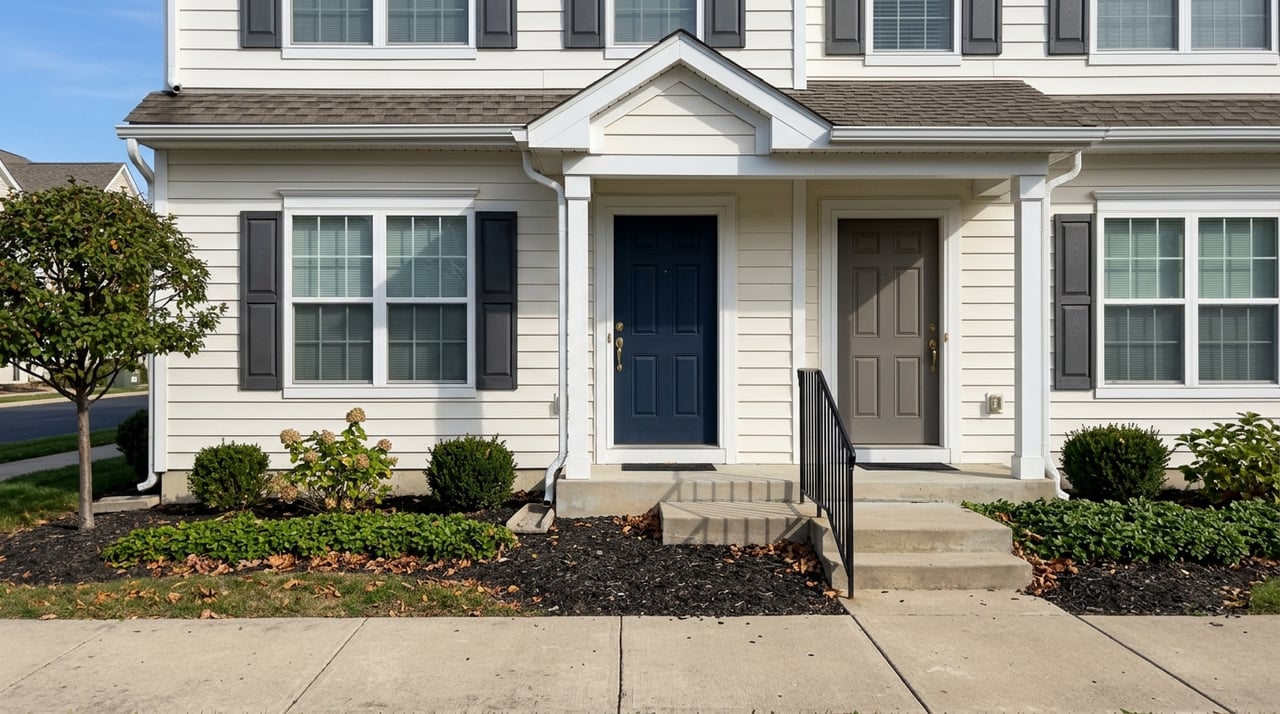
Farmington’s new construction tends to be small subdivisions and luxury townhome communities. One recent example is a townhome community marketed with Energy Star or HERS features, HOA-maintained exteriors, and builder warranties. Townhome asking prices have commonly landed in the upper six figures depending on the plan and finishes.
What you can expect from newer builds in town:
Connecticut’s current building code references the 2021 IECC family through statewide updates, which means new homes typically deliver stronger baseline efficiency and future-ready electrical capacity. You can learn more about the state’s energy standards in the EnergizeCT planning materials that discuss recent code adoption and efficiency goals.
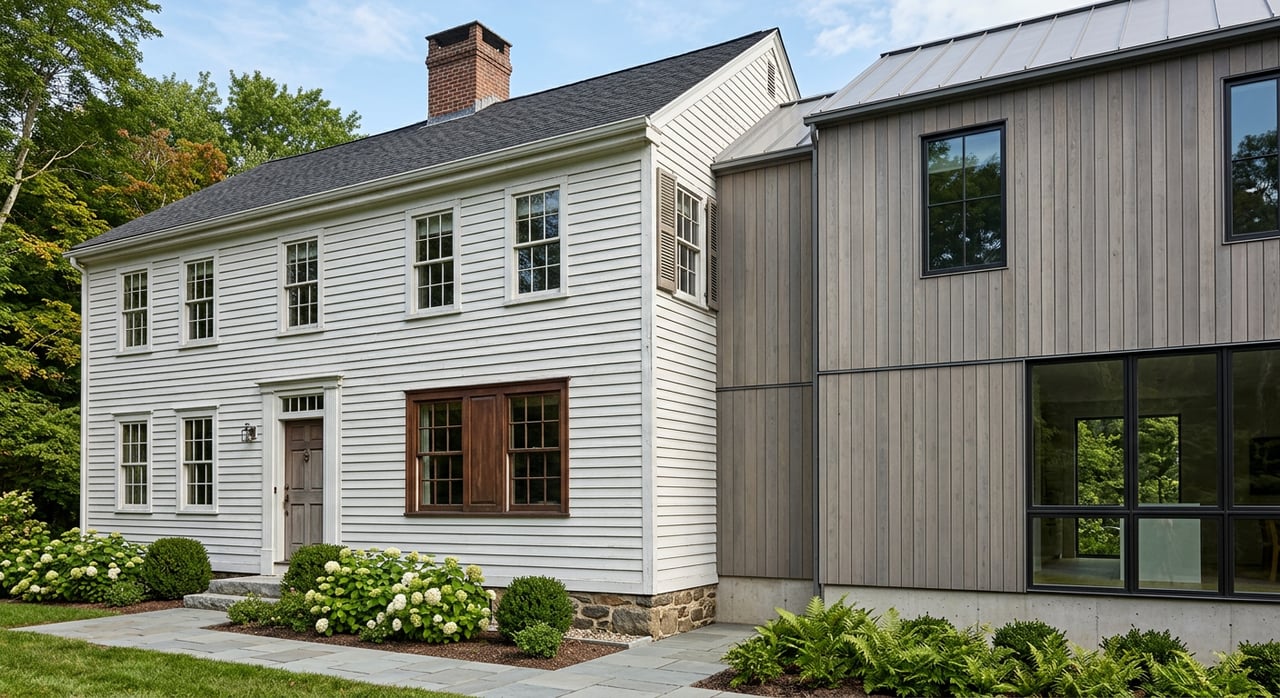
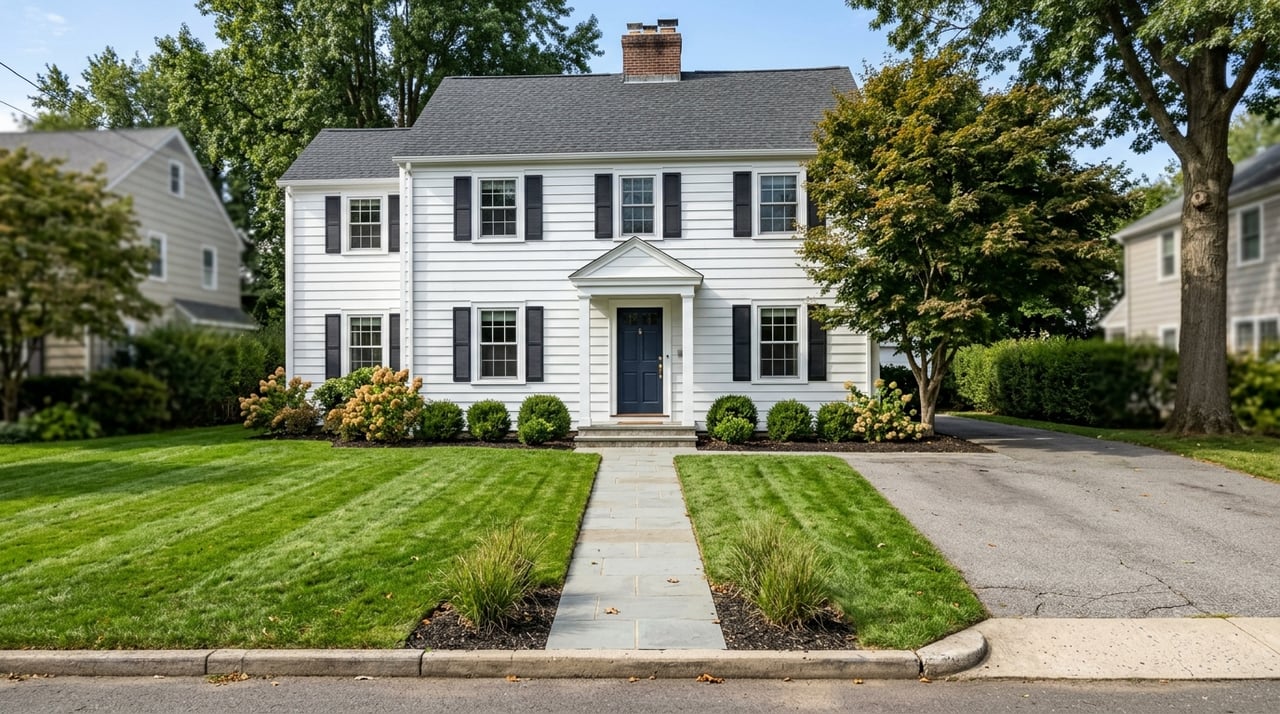
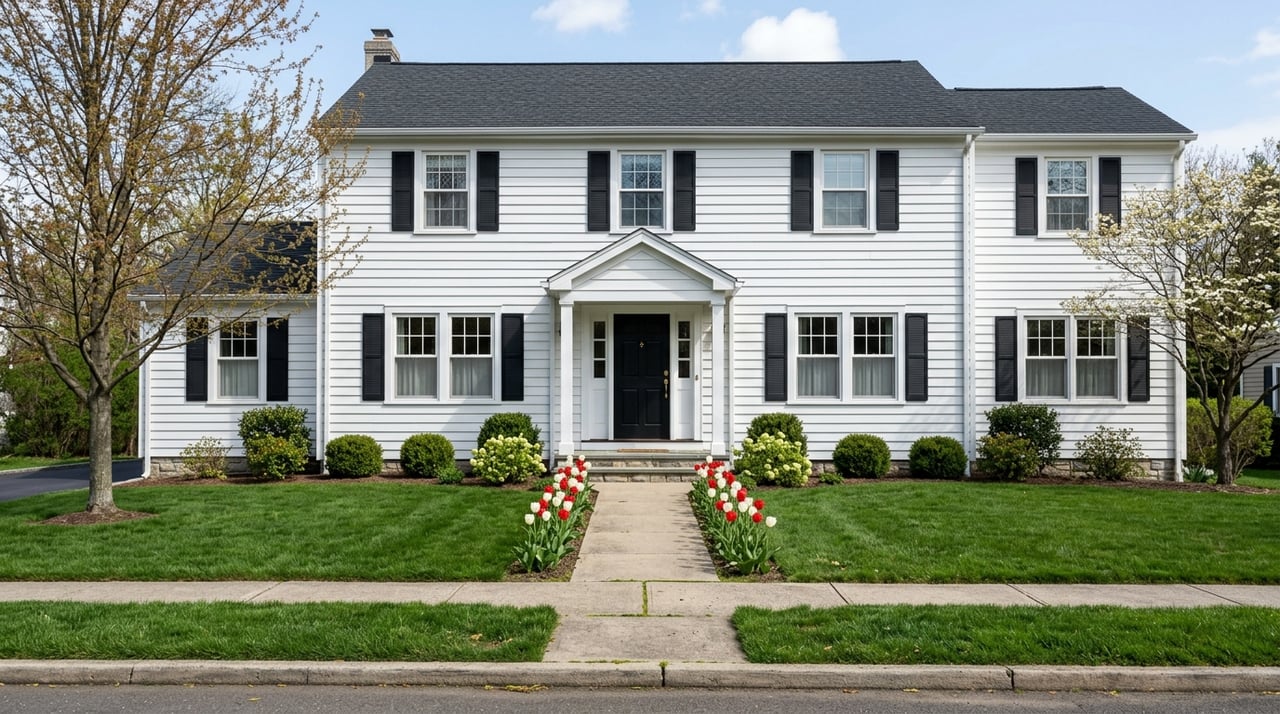
If you are drawn to history and classic New England character, Farmington’s historic core delivers. Farmington Village features Colonial, Federal, Greek Revival, and Victorian-era homes near Main Street, with the Hill–Stead estate anchoring the area’s identity. To appreciate the setting that shapes the neighborhood’s appeal, explore the Hill–Stead Museum history.
Historic offerings also extend into Unionville, a mill-village setting along the Farmington River with 19th and early 20th century houses. Pricing varies widely. Some smaller or less-updated historic homes can cost less than new luxury townhomes, while large, fully renovated village estates can sell for more. Condition, lot size, and the scope of prior updates are the biggest drivers.
Two practical tips if you love historic homes:
New builds generally win on energy performance right out of the box. Better windows and insulation, tight air sealing, and efficient HVAC help reduce monthly costs. Many new homes are also set up to support future electrification as technology and incentives evolve.
Older or historic homes can absolutely be upgraded. Insulation, air sealing, and heat pumps are the most impactful improvements, and rebates can meaningfully reduce your out-of-pocket cost. Connecticut’s statewide programs are a good place to start:
If you are comparing two houses, ask for utility histories where available, and have your inspector comment on envelope quality, HVAC age, and opportunities for quick wins such as programmable controls or simple air sealing.
Historic homes often come with timeless craftsmanship and materials. They can also present systems and safety items that need attention.
High-priority checks include:
If the property is in the Farmington Village Historic District, exterior changes usually require a Certificate of Appropriateness from the Farmington Historic District Commission. Items that commonly need review include fences, detached garages, driveways and walkways, gutters, skylights and solar panels, replacement siding and windows, and additions. Learn how the process works and what to expect from the Farmington Historic District Commission.
Expect projects such as window replacements, additions, or solar to take longer because you will coordinate design, materials, permitting, and historic review. The upside is that these guidelines help preserve the neighborhood’s character and long-term value.
If you are considering a historic home that needs work, speak with your lender early about renovation loans or construction-perm combinations. Underwriting for homes that will be improved can differ from move-in-ready new construction.
Insurance carriers may restrict or surcharge policies for homes with certain conditions such as knob-and-tube wiring, older heating systems, or known environmental hazards. Verify insurability and premiums during your inspection period.
For approvals, check in with the Town of Farmington’s Planning and Zoning and Building departments to confirm permit requirements and timelines. Agendas and permit links are available on the Town Plan and Zoning Commission page. If a home lies in a historic district, coordinate your plans with the Historic District Commission as well.
Use this checklist to align your lifestyle, budget, and timeline with the right Farmington home.
Lifestyle and maintenance
Budget beyond the price tag
Energy and operating costs
Permitting and review
Inspections for older homes
Insurance and resale
On the ground, that could look like choosing a newly built luxury townhome with Energy Star or HERS features and a builder warranty, or it could mean embracing a Main Street residence from the 18th or 19th century and crafting a long-term improvement plan. Both choices can be excellent, as long as you align the home with your budget, timeline, and tolerance for projects.
You do not need to navigate this alone. As a boutique, owner-led team with integrated mortgage guidance, we help you weigh price, financing, energy costs, and renovation plans side by side. We can preview new construction and historic homes, connect you with the right inspectors, and map out permitting next steps if a property lies in a historic district.
Ready to compare options and build a plan that fits your life in Farmington? Reach out to Robert Paskiewicz for a quick strategy call and a tailored search that balances character, cost, and comfort.
We pride ourselves in providing personalized solutions that bring our clients closer to their dream properties and enhance their long-term wealth. Contact us today to find out how we can be of assistance to you!