Buying A Condo Or Townhome In Berlin CT
June 18, 2026
June 18, 2026
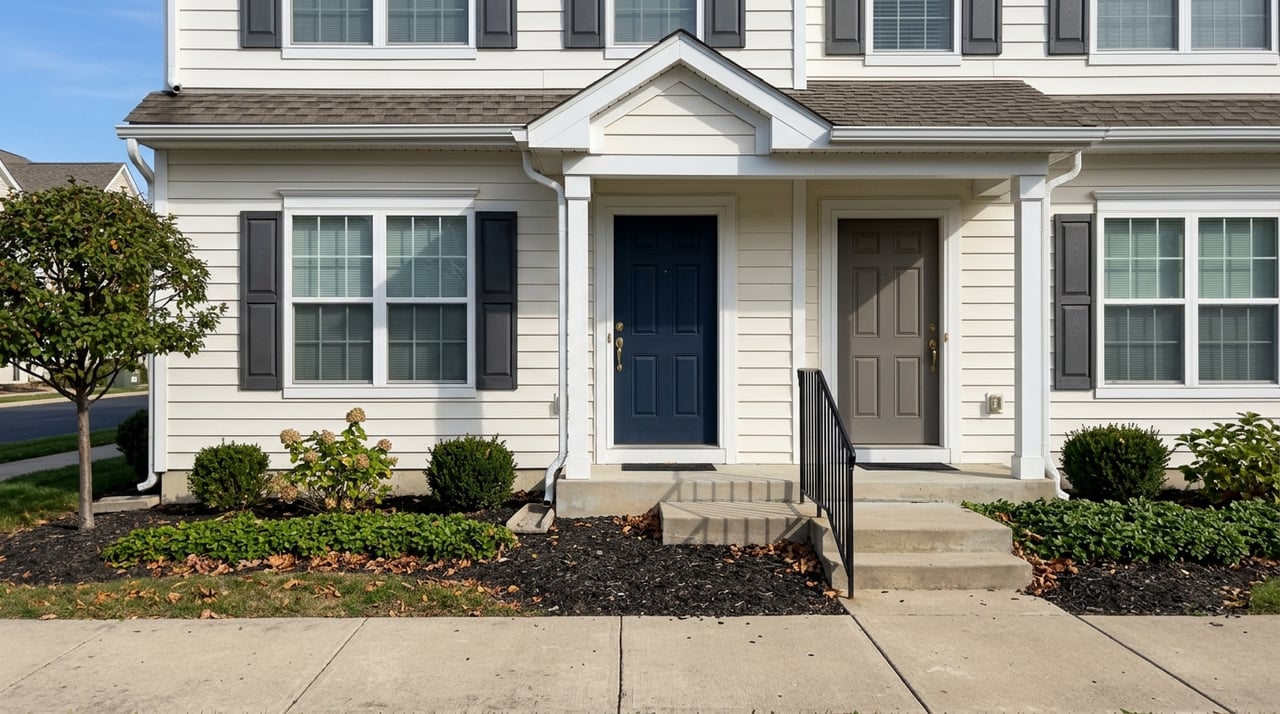
If you want simpler homeownership without giving up commuter access, a condo or townhome in Berlin may be worth a serious look. Many buyers like the idea of less exterior upkeep, but the fine print matters more here than it does with a detached house. When you understand the ownership structure, monthly costs, and association documents, you can make a much more confident decision. Let’s dive in.
Berlin appeals to buyers who want a central Connecticut location with practical commuting options. Route 9 runs through town, and access to I-91 and I-84 is available through Routes 9 and 5/15. That can make day-to-day travel easier if you work in Hartford, New Haven, or other nearby job centers.
Rail access is another reason attached housing can make sense here. The Hartford Line stops in Berlin, and the station in Kensington Village offers direct service to Hartford and New Haven, along with Amtrak connections beyond the region. The Berlin station also has 235 parking spaces with free daily parking, which can be a real plus if you want a lower-maintenance home and a workable commute.
Berlin also stands out because attached housing is a smaller part of the local housing mix. According to the town’s 2023 Plan of Conservation and Development, 86% of housing is single-family detached. That means condos and townhomes may come up less often, so being prepared can matter when the right property hits the market.
One of the biggest buyer mistakes is assuming that a townhome and a condo mean the same thing. In Connecticut, they do not always describe the same type of ownership. A townhome describes the building style, while the legal structure may be either a condominium or a planned community.
In a condominium, you own your individual unit, and all unit owners share ownership of the common areas. In a planned community, owners typically own their lots, while the association owns the common areas. Before you buy a Berlin townhome, you should confirm how the property is legally set up by reviewing the declaration and bylaws.
That difference can affect maintenance responsibilities, insurance questions, financing, and what you truly own. It can also shape how the association operates and what rules apply. This is one of the first details worth clarifying when you narrow your search.
For many buyers, the main benefit is simpler maintenance. A condo or townhome can reduce the amount of exterior work you need to handle on your own, especially compared with a detached house. That can be appealing if you want to spend less time on yard work, snow concerns, or building upkeep.
Some communities also offer shared amenities and a more structured approach to maintenance. Connecticut’s condo guidance notes that owners pay the association to maintain common areas while remaining responsible for their own unit. That setup can be a good fit if you want predictable responsibilities and fewer surprise chores.
Berlin can be especially attractive for this lifestyle because of its central location and commuter access. If your goal is to own a home without taking on every exterior task yourself, attached housing can offer a practical middle ground.
The trade-off for lower maintenance is less control. In many condo communities, you may share walls, floors, or ceilings with neighbors. You also agree to follow association rules, which may affect pets, rentals, occupancy, and day-to-day property use.
That is why it helps to think beyond the unit itself. A beautifully updated interior may still come with rules or costs that do not fit your plans. Before making an offer, you should understand not only the home, but also the association behind it.
In Berlin, this matters even more because the available attached-housing inventory may be limited. If you feel pressure to act quickly, it is still important not to skip the document review stage. Moving fast is helpful, but moving carefully is better.
A condo or townhome budget should include more than your mortgage. HOA or condo dues are usually paid separately from the mortgage payment, so they need to be treated as their own monthly housing expense. Depending on the community, those dues can range from a few hundred dollars per month to more than $1,000.
Property taxes also matter. Berlin’s adopted FY 2026 budget lists a mill rate of 30.65, so your monthly cost should include taxes along with principal, interest, insurance, and association dues. Looking only at the sales price can give you an incomplete picture of affordability.
When you compare communities, ask for the full monthly breakdown. That includes mortgage costs, common charges, and the town tax bill. This approach gives you a more realistic view of what living in the property will actually cost each month.
Condo purchases in Connecticut come with a document package that buyers should take seriously. The seller must provide the declaration, association bylaws, rules and regulations, and resale documents. These papers explain how the community works and can reveal issues that are not obvious during a showing.
The declaration outlines what is privately owned and what counts as common area. The bylaws explain how the association operates. The resale documents can disclose monthly common charges, unpaid charges owed to the association, reserve amounts for capital expenditures, approved spending over $1,000, delinquent owners, and foreclosure actions brought by the association.
This is where many of the most important answers live. If you are buying in Berlin, your decision should be based on both the home and the health of the association. A strong document review can help you avoid expensive surprises later.
When you review a Berlin condo or townhome, keep your due diligence focused on future costs and project stability. Some of the most useful questions include:
These questions matter because project finances, litigation, and insurance can affect both your ownership experience and your financing options. A condo is not just a property purchase. It is also a purchase into a shared financial structure.
Connecticut gives condo buyers some important consumer protections, but the details matter. After the initial sale by the developer, buyers generally have a 15-day right to cancel after signing the contract. That said, there is an exception for fully built common-interest communities with 12 or fewer units, where resale documents do not have to be supplied and that cancellation right does not apply.
Connecticut also regulates how associations operate. Boards must hold meetings at least once each year. When a budget is adopted, the association must provide a summary within 30 days and set a meeting to discuss it.
Another detail worth noting is that older Connecticut condos may fall under different statutes depending on when they were created. Projects built before 1977, from 1977 to 1983, and after 1983 may be governed differently. That can make document review even more important in older communities.
Financing a condo or townhome is not always the same as financing a detached house. Lenders may review not only your finances, but also the condo project itself. That review can include the project budget, financial statements, reserve studies, insurance coverage, litigation history, and legal documents.
If the project does not meet a lender’s requirements, it can affect loan terms, down payment needs, or even whether the property is financeable under your program. Some established attached condo projects may qualify for a more limited review, while others need a full review. In some cases, FHA approval may also matter, and approved projects generally must meet a minimum 50% owner-occupancy requirement.
This is one reason early mortgage guidance is so helpful. At CT Home Pro, that financing perspective is part of how we help buyers make smarter comparisons before they get too far into the process.
Because condos and townhomes may represent a smaller share of Berlin’s housing stock, buyers often benefit from preparing early. That means understanding your budget, knowing your financing path, and being ready to review association documents quickly. Good preparation can help you act with confidence when a strong listing appears.
It also helps to think about location within town. Kensington Village and the area around the rail station may be especially appealing if transit access is part of your plan, since the town identifies that area for moderate-density mixed-use and multi-family residential development. If you want lower-maintenance living with access to rail and major roads, this part of Berlin may deserve extra attention.
The key is to balance speed with due diligence. In a smaller attached-housing segment, the right home may not sit long. But the right review process still matters every time.
A Berlin condo or townhome can be a strong fit if you want simpler upkeep, central Connecticut access, and a more manageable ownership experience. The best outcomes usually come from looking beyond finishes and floor plans to focus on ownership structure, association health, monthly carrying costs, and financing eligibility.
If you want help comparing Berlin condo or townhome options, reviewing the bigger monthly picture, or sorting out financing questions early, connect with Robert Paskiewicz. You will get local guidance, a clear process, and practical insight tailored to how you want to live and commute.
We pride ourselves in providing personalized solutions that bring our clients closer to their dream properties and enhance their long-term wealth. Contact us today to find out how we can be of assistance to you!